
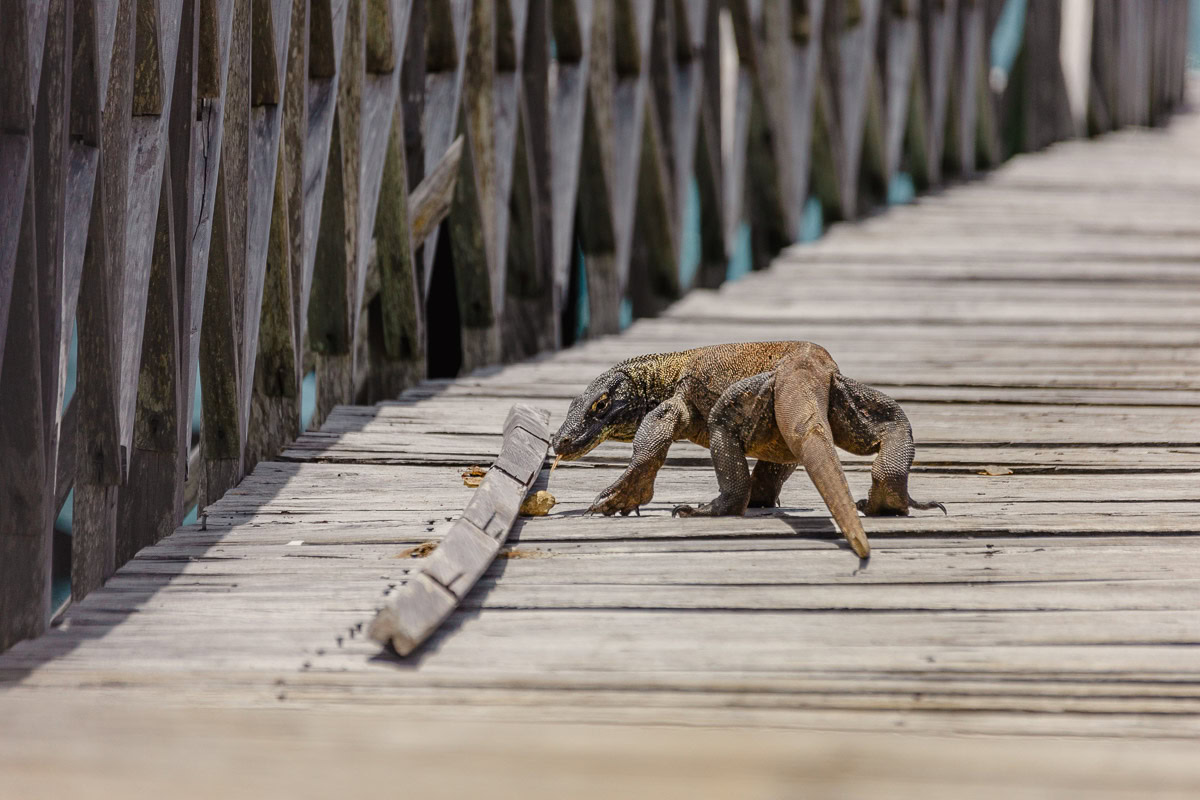
Komodo National Park in Indonesia is a must-visit for wildlife lovers who want to witness the area’s endemic lizard: the Komodo dragon.
The largest lizard species to roam the Earth today, Komodo dragons can only be seen in Indonesia’s Lesser Sunda islands.
Of these islands, tourists can see them on the eponymous Komodo island or neighbouring Rinca island.
NOTE: Technically, Komodo dragons can also be found on several other islands inside Komodo National Park.
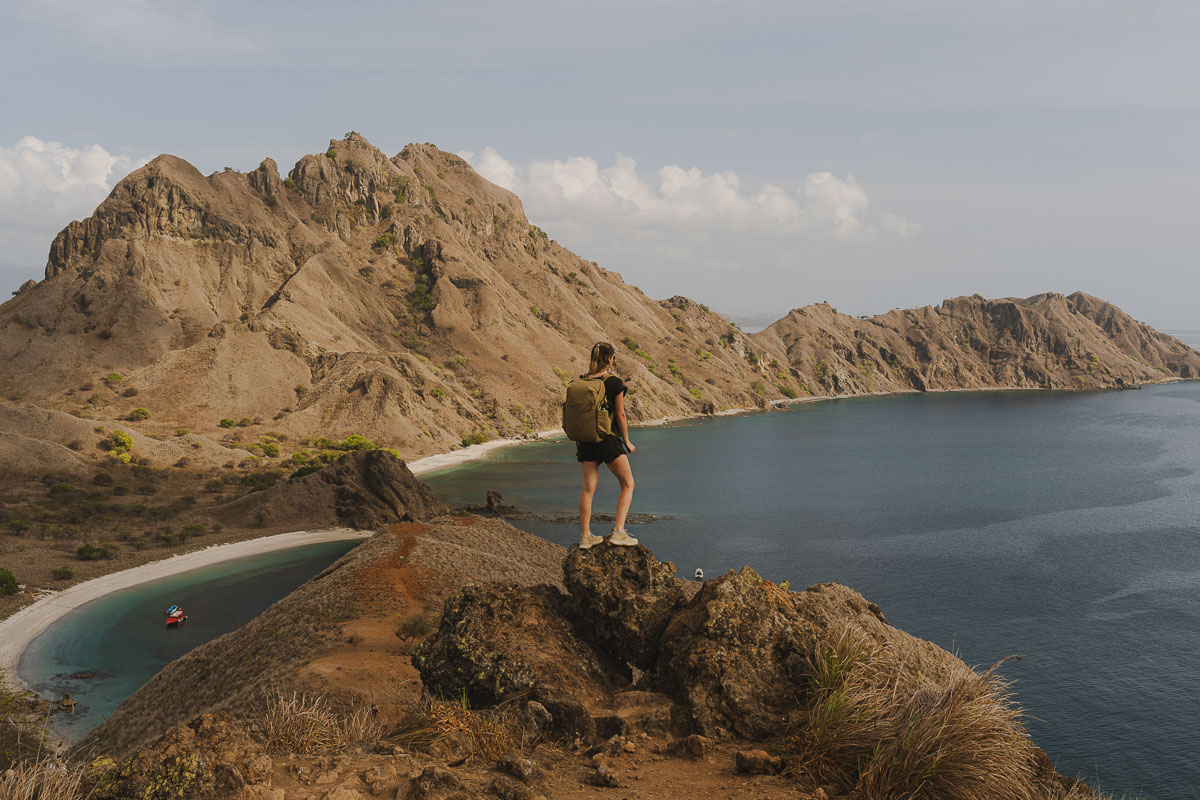
These include Padar island, which is one of the places you’re likely to visit on a Komodo day trip.
However, they’re extremely few in number (last estimates put the population at 12) and therefore sightings are incredibly rare.
So, if you’re planning to do the famous Padar hike during your Komodo tour – more on that later! – you don’t need to worry about attacks!
Table of Contents
Just to let you know… This post contains affiliate links, including Amazon Associates links. I may receive a small commission from them at no extra cost to you.
Should you take a day trip to Komodo Island?
Since Komodo and Rinca are pretty much the only places to see komodo dragons in the wild, visiting at least one of the islands is the only way to witness them for yourself.
However, there are no hotels or accommodation inside the park.
That means that, unless you join a live-aboard boat tour of Komodo National Park, there’s no way to stay inside the park itself.
The alternative is to stay on the island of Flores and join a Komodo Island day trip from the town of Labuan Bajo.
Benefits of taking a one day tour to Komodo Island
Even though many people visit Komodo National Park on a 3D2N boat tour, you may be surprised at how much you can see in one day.
Sure, you’ll have to sacrifice some of the stops, such as Kelor Island and Kanawa Island.
But if your priority is seeing the wild animals, pink sand beaches and summit of Padar Island, then a day trip to Komodo is all you need. The other stops are just bonuses.
Since a day trip is a much more efficient way to visit all of the main attractions, you’ll also have extra time for visiting more places in Indonesia, if you wish.
If you have some time to spare on the island of Flores, I recommend spending at least a day (or night!) exploring the harbour town of Labuan Bajo.
Alternatively, if you fancy treating yourself to a dreamy escape, check in to the totally unique Menjaga Bay resort for a few days to completely unwind.
And, if you fancy venturing farther afield and seeing more Indonesia’s unique wildlife, book an orangutan jungle trekking experience in Sumatra.
Where to stay in Labuan Bajo:
- For a super sustainable stay that prioritises eco-friendly practices, Eco Tree O’tel has obtained Travel Sustainable Level 3 on Booking.com
- If convenience is your priority, Komodo Lodge is a sustainable property within walking distance of the harbour, restaurants on the doorstep and an airport shuttle offered.
- On a budget? Enjoy a luxury vibe that wouldn’t be out of place in the Greek Islands when you check in to Seaesta Komodo Hostel.
Things to consider of taking one day Komodo tour
Aside from skipping a few of the places you’d get to visit on an overnight sailing tour, there are a few other things to keep in mind if you’re planning to take the day trip option.
First of all, expect it to be a long day.
Most boats leave between 6am and 7am, and – as I learned the hard way when I arrived with less than one minute to spare! – they won’t wait if you’re not there.
That means you need to be ready for an early morning and plan ahead to make sure you don’t miss out.
TIP | Ask your hotel to prearrange a transfer to the port and leave extra time for traffic and wrong turns. There’s no harm in being early.
Given the early start time, you’ll also want to make sure you’ve eaten before boarding the boat.
Our Komodo tour had water and soda included, and I believe that’s the same for most, but there was no food until the (fairly late) lunch.
By then, we’d already hiked Padar, swum at the pink sand beach and hiked Komodo Island in search of wild komodo dragons.
If your hotel offers it, ask for a takeaway breakfast to be prepared the night before and eat before boarding the boat. You’ll be grateful for the energy!

Choosing a Komodo boat trip
If you’ve decided to do one full day trip, the next step is choosing which one to book.
Whatever you do, please don’t simply choose the cheapest option out there.
While most Komodo day trips visit roughly the same spots, they don’t all treat those spots with the same level of respect.
And, even if Komodo National Park wasn’t a UNESCO World Heritage Site, you don’t want to contribute to anything that could harm the natural habitat of komodo dragons.
As always, choosing an operator who follows responsible tourism practices should be a priority.
Aside from that, there are two other things that might influence your decision:
Fast or slow boat
There are, essentially, two types of Komodo day trip available.
The first – and usually cheaper – option is a slow boat tour of Komodo. If you choose this option, you’ll visit around four sites in the National Park.
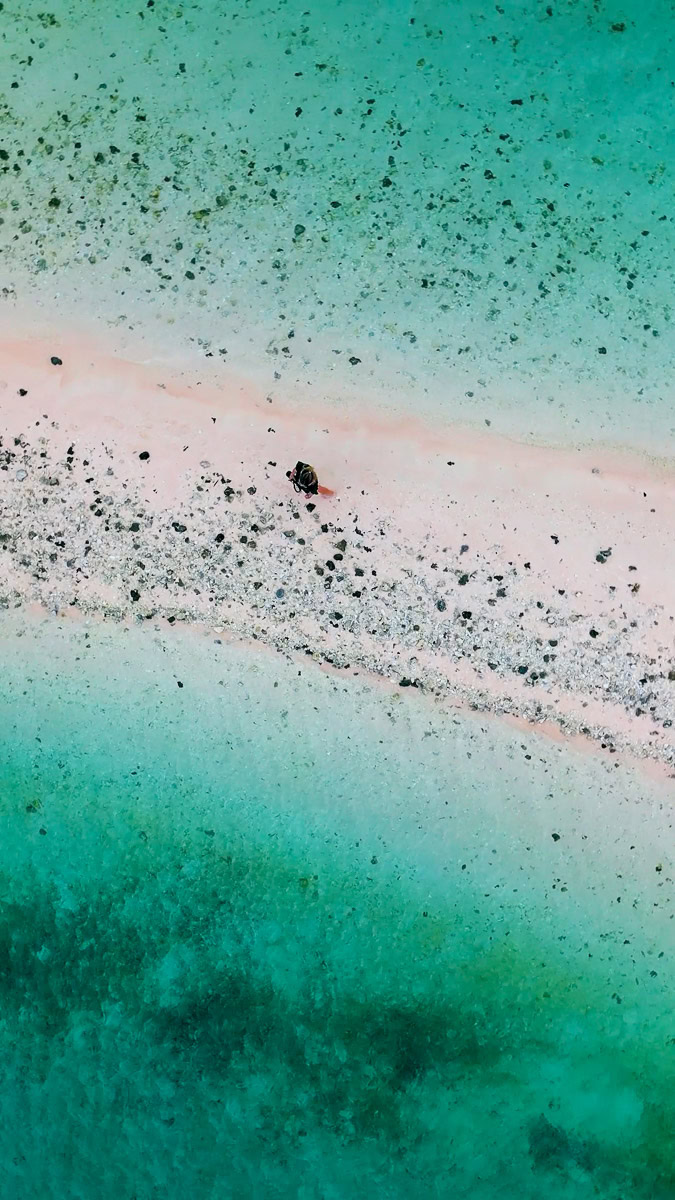
These will usually include a Rinca or Komodo island tour, time to climb to the top of Padar island, a visit to the iconic pink beach and a snorkelling stop at Manta Point.
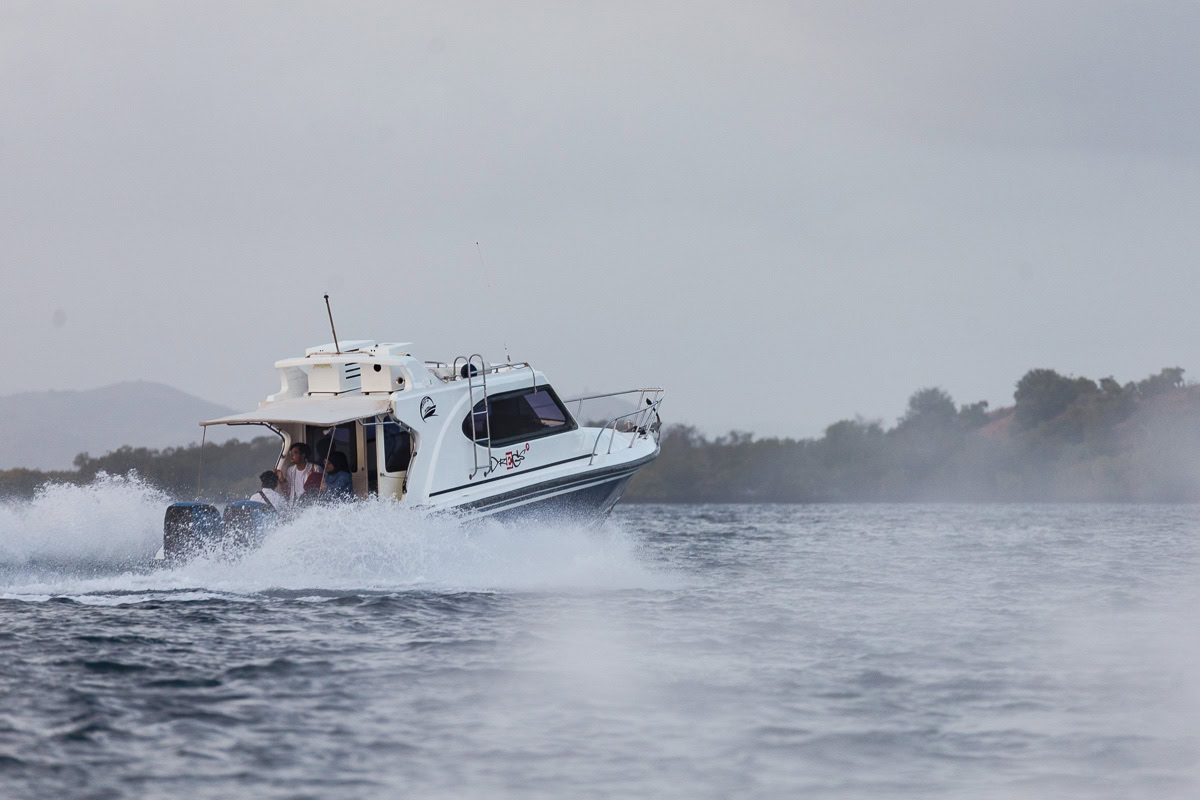
On a speedboat tour, you’ll also get to stop at an extra part of the Komodo National Park – usually a beautiful sand bar known as Taka Makassar island and a second snorkelling spot where you’re likely to see sea turtles and coral reefs.
The downside of the fast boat is – unsurprisingly – that it costs more. About twice as much, to be precise.
However, given that you’ll get to see as many places as you would on a 2D1N Komodo tour, it might be a better option for you.
I did the 6-stop speedboat tour and the two “extra” stop were some of my highlights of the day. The sand bar was a particularly cool experience!


Itinerary
Even though most boat tours will visit more or less the same main islands, they do vary a little.
Perhaps the most important decision to make will be choosing whether to see the legendary komodo dragons on their namesake island or nearby Rinca.
My Komodo day trip went to the former and I would not recommend it as the best option.
If I were to go again, I would avoid Komodo island for reasons I will share in another blog post and instead choose to visit Rinca.
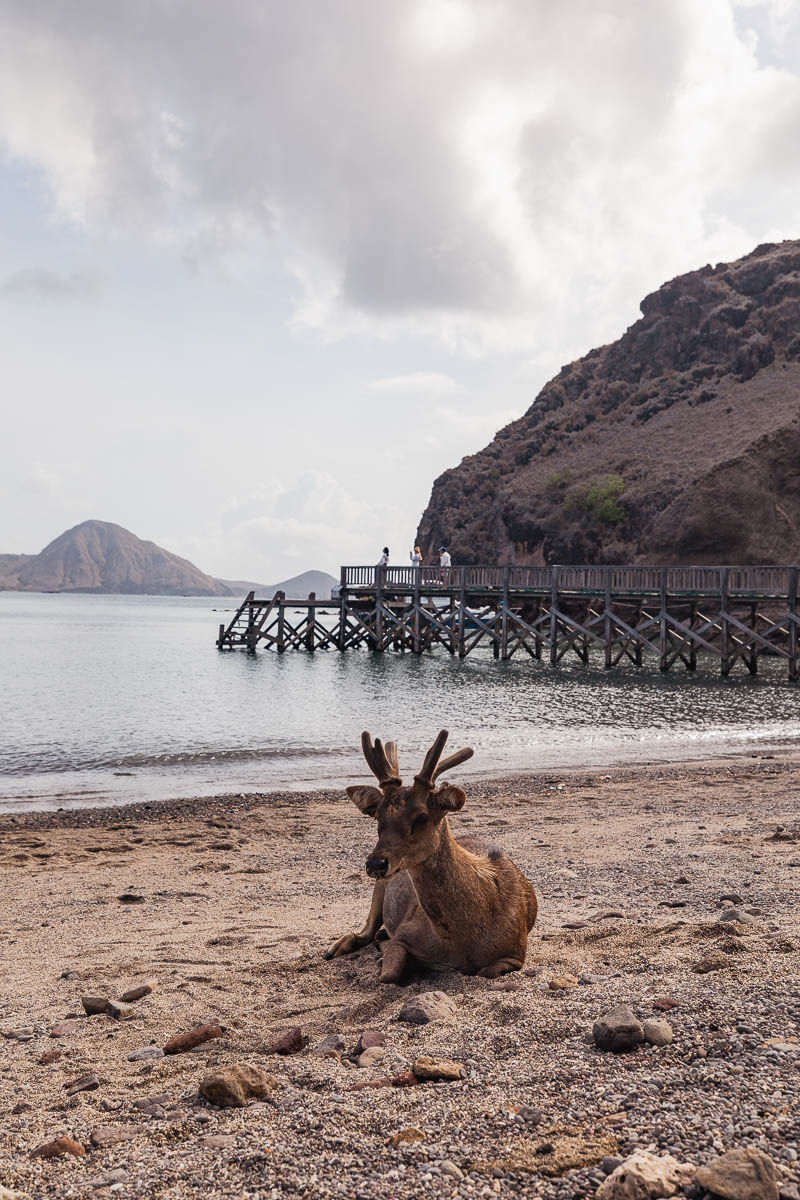
On Rinca, you can still experience a close encounter with the famous dragons, but in a more natural landscape that doesn’t feel like it’s been manipulated for foreign tourists.
This will be the biggest deciding factor because the other smaller islands with white sand beaches are a bonus. The dragons are, of course, the main event.
All of the day trips also include at least one stop to look for manta rays, the impressive giants that inhabit the shallow waters of the park.
From what I could tell, the boats all communicate so it’s pretty much guaranteed you’ll get to see them if they’ve been spotted that day.
The one thing you should never travel without
Even though you hope you’ll never need to use it, travelling with insurance will make sure you’re covered if anything goes wrong.
I use Heymondo because it’s the most comprehensive cover I’ve found – they even cover the more adventurous activities that other insurers won’t.
As a partner of Alajode, they’re offering an exclusive 5% discount for my readers. Click here to find out more, get an instant quote and save even more!
Things to know before booking your Komodo Island day trip
Once you’ve decided on your boat type and the itinerary for your Komodo day trip, here are a few things to keep in mind before you go.
When to visit Komodo National Park
Komodo National Park is open year-round, so you can technically visit at any time.
That said, it’s worth keeping in mind that – just like in Bali, Lombok and other popular islands – there is a dry season (April-October) and a rainy season (November-March).
If you choose to visit Komodo Island during the latter, be prepared for the higher chance of rain and the cancellations that may come as a result.
I got lucky on my December day trip to Komodo Island and had amazing weather, but had to hike Rinjani in torrential rain just days before.
I wouldn’t let the season put you off, especially if you are also travelling to places like Sumatra.
However, if you do visit Indonesia in December, it would probably be wise to allow an extra day or two just in case your Komodo Island day trip gets cancelled.
There are plenty of other nature-focused things to do in Labuan Bajo, including Flying Fox island, nearby caves, or the traditional Waerebo Village.

Getting to Komodo National Park
Whether you take a Komodo Island day trip or multi-day tour, you’ll depart from Labuan Bajo.
The nearest airport isn’t far at all – about 15 minutes away by car – and is called both Labuan Bajo Airport and Komodo Airport.
There are regular flights from several places in Indonesia, including Surabaya, Bali and the capital city, Jakarta.
From the airport, you can easily take a taxi if a shuttle service isn’t available via your accommodation (but it seems it usually is).
TIP | Indonesian flights rarely go to plan, and delays and cancellations aren’t unusual. Therefore, allow yourself plenty of time when flying.
I highly recommend booking all domestic flights in Indonesia (and southeast Asia in general) via Traveloka.
Not only do they offer the best rates and seem to have more options available, but they offer the option to refund your trip simply for changing your mind.
If your flight does get rescheduled or cancelled, they’ll also let you cancel for free or rebook on a more suitable flight at no cost.
What to pack when you day trip Komodo Island
Your lunch and some drinks/snacks should be included on most Komodo Island day trips, but you’ll have to bring anything else you need for the day.
You won’t need a whole lot, but it’s a good idea to pack a small day bag with:
- Swimwear: There are plenty of options to swim and snorkel. Snorkelling gear should be provided.
- A towel: For when you get out of the water or want to chill on the beach.
- Hat & Sunscreen: Do NOT forget these! You’ll be out in the scorching Indonesian sun with little shelter at times. Bring a high SPF, even if you don’t usually use it.
- Cash: The Komodo National Park entrance fee needs to be paid on the day. I’ve heard stories of people paying different amounts, but I paid 350k IDR (about $22). You can always check with your trip in advance.
- Walking shoes: The Padar island hike is a highlight of the day, so you won’t want to miss the spectacular view from the top. It’s not too strenuous (except for the heat!) but you’ll be glad you wore good shoes. I used my slip on TropicFeel Lava shoes and switched back to flip flops for the rest of the day.
- Camera: There are so many beautiful spots in Komodo National Park. Even if you’re not a photography, expect to capture some beautiful travel photos here.
- Drone permit: If you want to fly a drone in Komodo National Park, you’ll need to go through the long and expensive process of obtaining a permit. If you don’t have this, leave the drone at home because your tour guide will NOT let you fly.
