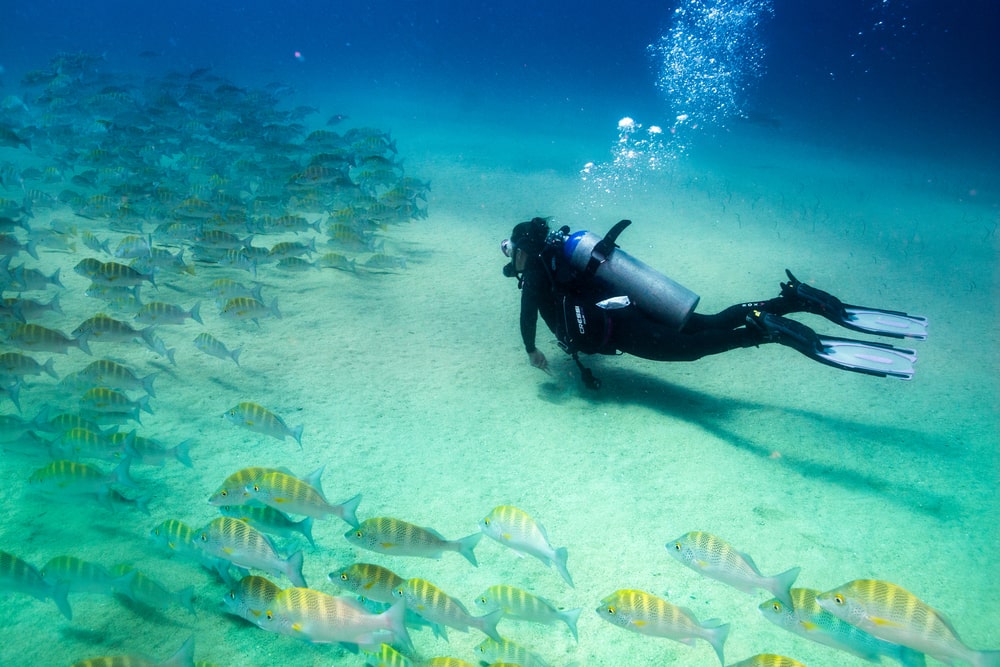
A region bursting with natural beauty, the Caribbean has lots to offer nature-loving travellers.
Despite this, ecotourism in the Caribbean is still a growing industry.
Long associated with luxury beach breaks and ocean-based activities, the Caribbean probably isn’t the first place you think of for responsible tourism.
If anything, its numerous luxury resorts and all-inclusive hotels may have you thinking the Caribbean is far from an ideal ecotourism destination.
But, if you want to enjoy a pristine environment, fresh air, sunshine, and clean water, it’s hard to beat the Caribbean.
Add to that the plethora of outdoor activities on offer, including water sports such as snorkelling, swimming, and other enjoyable activities, and it ticks all the boxes for outdoor lovers.
And now the Caribbean is turning its attention to ecotourism, with a number of experiences and activities to satisfy travellers who want to protect the countries they enjoy.
The great thing about the rise of ecotourism in the Caribbean is that you can enjoy the best of both worlds: a truly relaxing holiday in a beautiful destination with a sustainable footprint.
The Caribbean’s growing ecotourism industry also helps increase the region’s economic reality, enabling the necessary funding to preserve the area.
Here are the best places to enjoy ecotourism in the Caribbean, including some of the most sustainable accommodation options and best activities to try while you’re there
Just to let you know… This post contains affiliate links, including Amazon Associates links. I may receive a small commission from them at no extra cost to you.
Barbuda: a quiet retreat for conscious travellers
The smaller half of the beautiful country known as Antigua and Barbuda, this tiny island is about 15 miles long and approximately 9 miles wide.
Barbuda has an interesting landscape, being both rocky and flat at the same time. A large section of the island is also covered with intertwined forests, adding to the island’s natural beauty even more.
There’s not a whole lot to do on this secluded island except enjoy nature. And when you’re surrounded by nature like this, why would you want to do anything else?
Enjoy the idyllic – and uncrowded – beaches or take some time to spot local wildlife, marine animals and birds, including the beautiful frigatebirds that consider this region their main habitat.
With little nightlife and a relatively low number of tourists, Barbuda is the perfect place to switch off for a day or for a few nights.
Rent a cabin at Frangipani Glamping for a completely immersive nature experience, or check in to one of the quintessential waterfront cottages for an authentic stay with first-class views.

Antigua: Where culture meets nature
The bigger – and better known – sister island to Barbuda, Antigua sits around 29 kilometres south of Barbuda.
There are plenty of things to do in Antigua for both nature lovers and culture seekers, making it a great island for groups and travel partners with different interests.
The island also famously boasts 365 sandy beaches (or one for every day of the year!). Even if you’re not a beach lover, it’s fun to rent a car and visit some of them.
Pigeon Point and Jabberwock Beach are two of the most popular beaches for tourists who enjoy surfing and water skiing.
Whether you rent a car or not, there are plenty of other Antigua excursions to enjoy while you’re here. Soak up the unique Antigua culture in the capital city, Saint John’s, or experience the seas differently during a sailing lesson.
If you enjoy hiking, don’t miss Mount Obama (formerly Boggy Peak). Sitting at 405 metres high, the moderate trail is usually fairly quiet, offering the perfect opportunity to escape into nature.
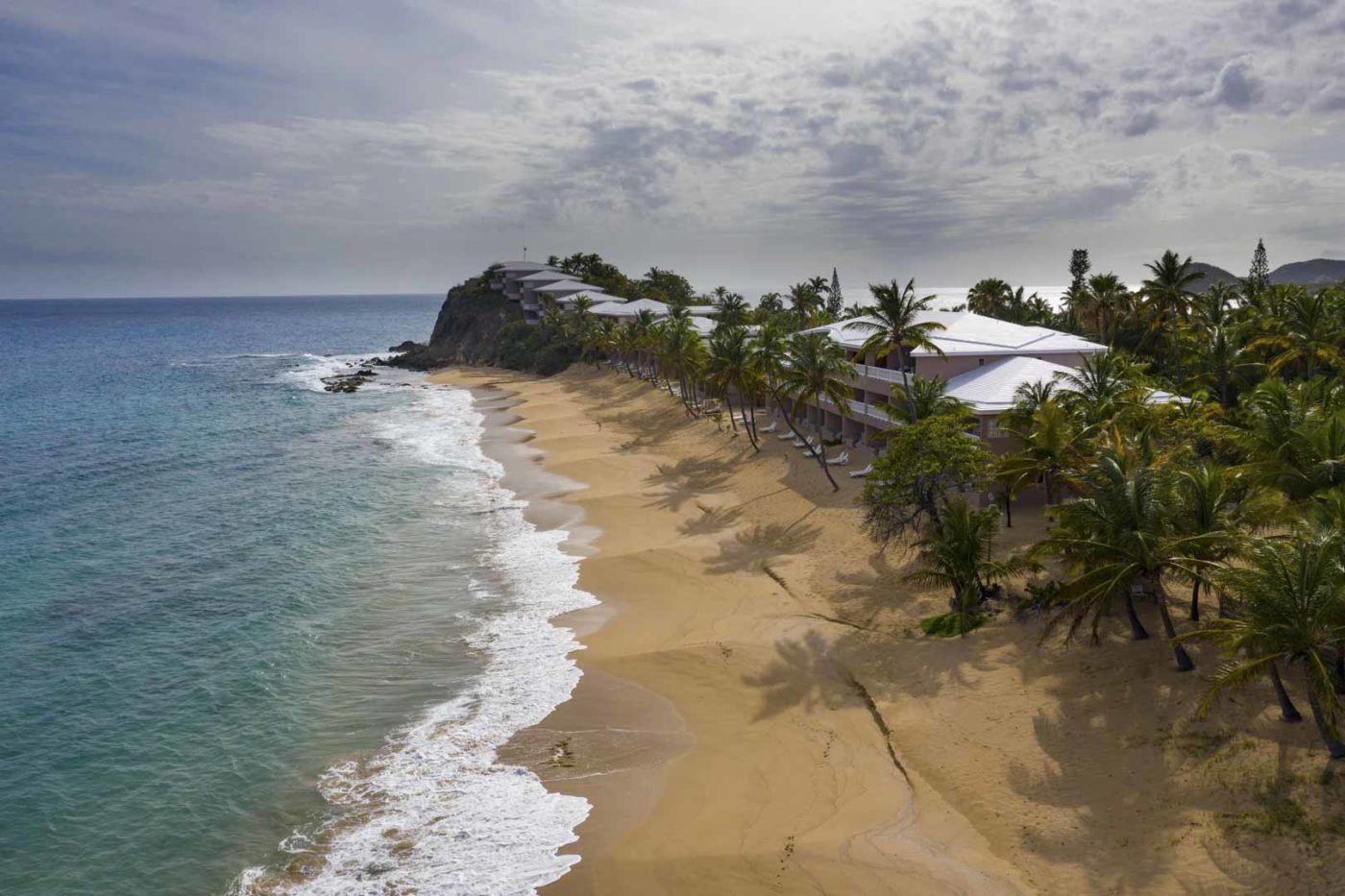
Aruba Island
Located just 15 miles from the Venezuelan coast, Aruba is one of the Caribbean’s safest islands during hurricane season. It’s also one of the best places to experience ecotourism in the Caribbean.
Aruba’s slogan is ‘One Happy Island’ and it sure lives up to that name. It has a pleasant summer desert vibe that distinguishes it from the other Caribbean islands.
For travellers seeking nature in the Caribbean, Arikok National Park is unmissable. This protected area offers deserted beaches, cacti, limestone caves, rocky coves and stunning views like nowhere else on the island.
The best way to explore the park is on a hiking tour with a local ranger. Here, you’ll learn about this unique park’s flora and fauna and admire the dramatic landscapes and hidden secrets it boasts.
Unlike other Caribbean islands, Aruba – just like islands such as Bali and Mallorca – has a relatively high number of vegan and vegetarian dining options.
Grab a vegan breakfast bowl or smoothie at Eduardo’s Beach Shack, fill up on healthy vegan lunch at One Happy Bowl and enjoy a hearty dinner at Tandoor, which offers a separate fully plant-based menu.
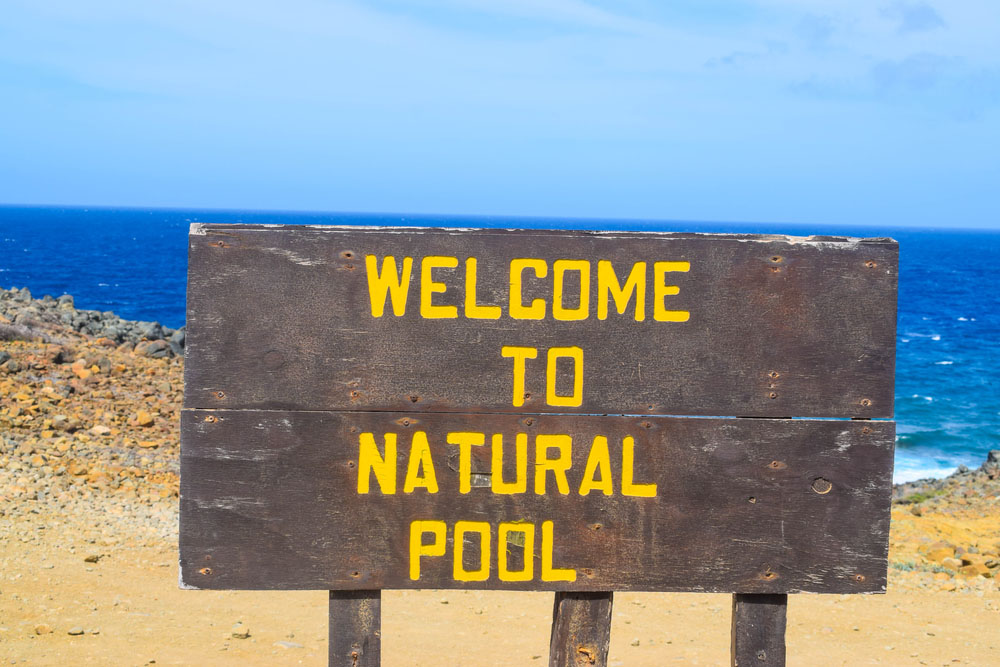
Dominica: An island for adventure lovers
Adventure and ecotourism can go hand in hand – and in Dominica, you’ll find the perfect combination.
One of the most rugged islands in the Caribbean, Dominica isn’t what many tourists think of when they plan a trip to the region.
Far from the typical luxury resorts and pristine beaches that spring to mind, Dominica is a very green island.
The island is free of hotel chains, for a start. Instead, choose between a jungle retreat on a forest reserve, eco-cottages that offer a taste of local life or luxury resorts that focus on sustainability.
When it’s time to venture out and explore, three national parks await you.
Morne Trois Pitons National Park was named a World Heritage Site by UNESCO. Situated on a volcano and dominated by lush rainforest, the park is the perfect place for travellers who enjoy being immersed in nature.
Inside the park, you’ll find hot springs, lakes, five volcanoes and the richest biodiversity in the Lesser Antilles.
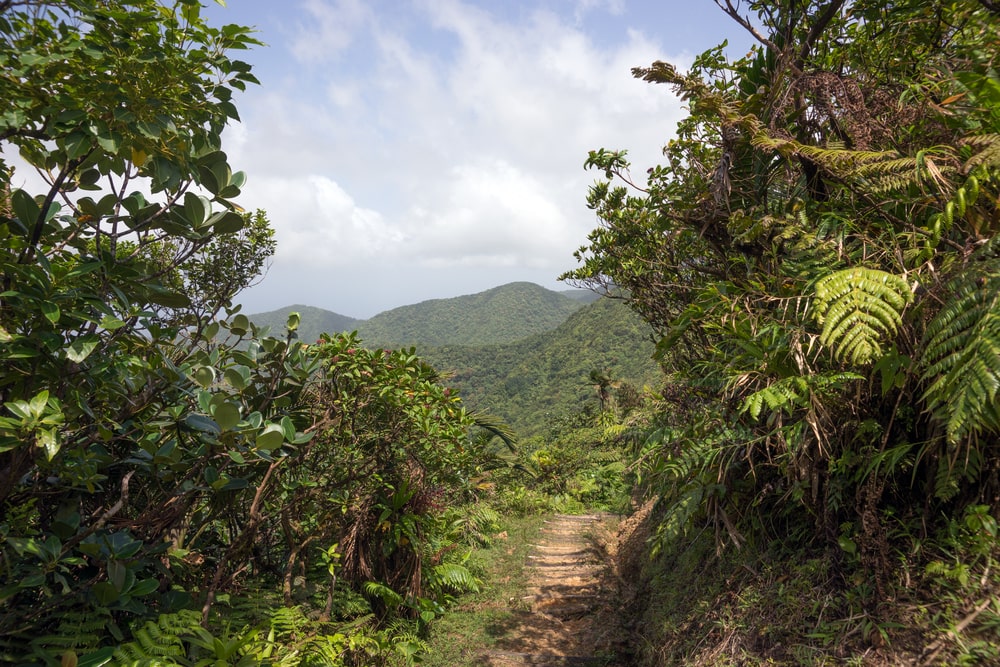
Bonaire
Although Bonaire saw more visitors in 2022 than in 2019, the island still remains relatively unknown among travellers.
However, this small island should be on every ecotourism bucket list.
The island’s waters boast some of the most diverse reefs in the world.
Many of these remain untouched, while others are the focus of conservation efforts with the Coral Restoration Foundation.
That means it’s an ideal place to enjoy diving and snorkelling, but the island also offers plenty for tourists who prefer to stay on dry land.
Bonaire is striving to become an island run on 100% sustainable energy, a goal that is helped by a number of its eco-conscious hotels and guesthouses.
And, if that’s not enough, in 2017, Bonaire was one of only three Caribbean islands to be named on the United Nations’ list of the most sustainable destinations in the world.
And if it’s one of the most sustainable destinations in the entire world, it’s easily one of the best places to enjoy ecotourism in the Caribbean.