
Only have one week in Japan? Make the most of it with this 7-day Japan itinerary for first timers.
Japan is the kind of country you could spend months – or years! – exploring.
It truly is unlike anywhere else in the world and its many faces leave every visitor in awe.
And, with so many different regions, Japan is a country of diverse experiences and unique destinations.
If you only have 7 days in Japan, though, don’t worry! This easy-to-travel Asian country is perfect for a short trip, too.
When you’re planning your trip to Japan, the new good news is you have a whole lot of amazing places and experiences to choose from.
No matter what your travel style is, there are so many unique and interesting things to do in Japan, that you certainly won’t be bored!
The only tricky part will be narrowing down your options. There are so many things to do in Japan that it’s hard to choose between them!
Luckily, this 7-day Japan travel itinerary will help you maximise your time in Japan and see all the best bits in just seven days.
Just to let you know… This post contains affiliate links, including Amazon Associates links. I may receive a small commission from them at no extra cost to you.
Are 7 days in Japan enough?
First things first, if you’re only able to spend one week in Japan, you’re probably wondering if it’s enough.
Although 7 days in Japan isn’t enough to see more than a handful of Japan’s best bits, it’s more than enough time to get a solid insight into Japanese culture and all of its quirks.
And, when it comes to really getting a taste of a country, I’d argue that Japan is one of the best countries to travel to if you only have a week.
That’s because Japan is one of the easiest countries to travel around thanks to the shinkansen (Japan’s high-speed bullet train), which connects all of the country’s major cities via public transport.
Thanks to Japan’s amazing transport links, it’s very possible to explore Kyoto, Tokyo and more in just one week.
You could easily make the 800-kilometre trip from Tokyo to Hokkaido if you wanted to!
With a Japan Rail Pass, you’ll be able to cover more ground than in almost any other country and will be able to squeeze in more than you think.
MUST-KNOW TIP: The Japan Rail Pass
The Japan Rail Pass gives you access to the entire network of high-speed trains (and some non-high-speed local trains) across the country.
It will also save you a small fortune on the cost of travel in Japan!
It’s best to order your pass before you leave because it’s much cheaper than buying it once you arrive. Plus, it’s also much easier.
You can buy your pass on this official website and get free delivery to almost any country in 24-48 hours. If you prefer, you can also do as I did and pick your pass up when you arrive, but you’ll save time by getting it delivered.
How to plan one week in Japan
If you only have a week in Japan, using your time wisely is going to be crucial.
There’s simply too much to see and do in Japan to fit it all into one week. But you might be surprised by just how much you can do in Japan in 7 days.
If this is your first time in Japan, the Japan itinerary for 7 days below will give you a great insight into this unique part of Asia and show you some of the country’s highlights.
Flying to and from Japan
In order to see as much as possible, I’d recommend trying to fly into Tokyo, the capital of Japan, and out of Osaka (or vice versa).
When flying into Tokyo, Haneda airport is geographically closer to the city centre, but Narita airport (where most international flights land) is connected to Tokyo via the Narita Express.
You can use the Japan Rail Pass (or JR Pass, as it’s often called) on this line – which is one more reason to get it delivered to your home!
Flying in and out of different airports will maximise your Japan travel time, but it’s not the end of the world if that isn’t possible.
After all, you’ll want to take the most convenient (or best value!) flight to Japan.
Insider travel tip
If you haven’t already booked your flights, I recommend using WayAway to find the best options. Not only do they aggregate the largest number of supplies and the best prices, but you can also get 10% cashback with a WayAway Plus membership!
WayAway Plus is one of my favourite travel hacks because you can save money on almost anything. You just use their search engine to find the best deals and get up to 10% of the cost back in cold hard cash (in your Paypal account).
I love it so much that I’ve teamed up with them to give Alajode readers an exclusive discount of 55% (less than $4 per month)! Sign up using this link and enter the code “ALAJODE” to save on your next travel bookings.
With a destination like Japan, you could save hundreds of dollars in just one trip.
If you plan to fly in and out of the same airport, you can adjust this Japan travel itinerary to fit your flights.
The high-speed bullet trains mean you can travel between Tokyo and Osaka in less than three hours. So, the extra journey won’t steal too much of your time in Japan, but it’s always nice to reduce travel times (and stress) where possible!
With that in mind, I’ve planned this Japan travel itinerary to start in Tokyo and end in Osaka, but you could easily reverse the order and do it the other way around.
Or, you could tag the journey back to Tokyo on to the end to suit your own flights and preferences.

An adaptable Japan Itinerary for 7 Days in Japan
If you want to make the most of your 7 days in Japan, you will need to arrive prepared.
Even though I spent an entire month travelling in Japan, this 7-day Japan itinerary is based on my own experiences and recommendations. It contains the highlights you absolutely shouldn’t miss as well as some lesser-known surprises!
This is a completely self-guided itinerary, but I’ve included some 6- and 7-day Japan tour options if you prefer to have things organised for you (plus some tips on how to spend any extra time!) after the full itinerary below.
The 7 days in Japan itinerary at a glance
This Japan travel itinerary by no means covers all of the best things to do and see during your trip, but it’s a good start for your first time in Japan (or even your second, if you didn’t get to see much the first time around!).
It covers a fair amount of distance while wasting as little time as possible travelling.
The travel itinerary for 7 days in Japan looks like this:
- Day 1: Arrive in Tokyo
- Day 2: Hitachi Seaside Park or Snow Monkeys
- Day 3: Tokyo and Mount Fuji
- Day 4: Mt. Fuji and Kyoto
- Day 5: Kyoto
- Day 6: Kyoto and Osaka
- Day 7: Osaka or Tokyo
I’ve tried to structure each day to maximise time while leaving enough wiggle room for spontaneity (and delays!). Therefore, you should still find it quite flexible and easy to adapt where needed.
How much can you see during one week in Japan?
Whether you spend one week in Japan or one year, it’s the kind of country where there will always be more to see.
My advice would be to not worry about missing things and enjoy the things you do see!
This 7-day Japan itinerary doesn’t include some of the most famous places in Japan, such as Hiroshima, Hakone or Kobe because there simply isn’t enough time to visit everywhere.
That said, it should be easy enough to switch one or two of the days if you do wish to visit any of these cities.
If you plan on venturing further afield or visiting the Hokkaido area, I’d recommend spending longer than one week in Japan.
In fact, I’d always recommend spending more than 7 days in Japan (if you can). But if that’s all you have, you’ll still be able to see the highlights with this one-week Japan itinerary.

How to spend 7 days in Japan: itinerary
This Japan itinerary fits in a lot of the best things in Japan in 7 days.
But don’t worry – there’s still a little time for spontaneity, flexibility or some much-needed downtime!
Day 1: Arrive in Tokyo
Ideally, you want to choose a flight that arrives into Tokyo in the early morning. Otherwise, consider adding an extra night and making day 1 your first full day.
That’s because there’s SO much to see in Tokyo that you could spend weeks here. Ideally you want at least 5 days in Tokyo to really explore.
Since we have limited time on this Japan itinerary, though, you’ll want to maximise one full day in the city.
To do this, book a hotel in either the Shinjuku or Shibuya district. Both neighbourhoods are centrally located, full or things to see and have great connections both within and out of Tokyo.
The Narita Express stops at both and is the best way to get from Narita International Airport to downtown Tokyo.
Stay somewhere central: The Bespoke Hotel in Shinjuku is perfectly located for exploring Tokyo and is super easy to get to – something to keep in mind when you only have 1 week in Japan. The staff also speak great English, so you can have a smooth and easy transition into Japan.
Try something new: Pod hotels are popular in Japan, and staying in one promises an authentic way to experience the city. The Millennial Hotel in Shibuya has both single sex and mixed pods. It even has “art capsules” if you fancy an upgrade and TV screens in some!

Things to do in Tokyo
If you have a full day in Tokyo, you should be able to squeeze in all of these ideas.
However, if you have less time, it would be best to prioritise them just in case you can’t fit them in.
And, if you have any extra time at the end of your 7 days in Japan, consider saving one last Tokyo activity for then!
Head to Harajuku
Once you’ve checked in and freshened up, head to Harajuku.
Nestled between Shinjuku and Shibuya, it should be no more than a 30-minute walk from your hotel.
If you don’t fancy the walk, you can also take the metro to Harajuku station. Takeshita Street is right next to Harajuku station, so immerse yourself in the brightest, boldest part of Tokyo.
Tuck into an oversized, rainbow-coloured crepe or simply stare in awe as girls in brightly coloured outfits stroll pass, a candyfloss bigger than their heads in hand.
If you want to uncover the quirky area’s secrets, it’s worth joining a guided tour such as this one.
If you need a break from the crowds and colourful shops, take a caffeine break in Reissue Café. The only thing to order is a 3D latte.
This cute little bunny-loving café takes coffee art to a whole new level and you can order any picture you like as 2D or 3D coffee art – just show the waiter a photo on your phone.
1,000 Yen ($10) may sounds like a lot for a coffee, but once you see the coffee artist work his magic, it’ll feel like a great deal (even if it is too pretty to drink!).

Tuck into some Japanese food
Harajuku is a great place to stop for food, too.
One of the best things about Japan is that the quality of everything is very high, so you never have to worry about looking for a good restaurant.
Nearly every restaurant is a good restaurant!
There are lots of amazing Japanese foods, but the two you’ll probably eat most often are sushi and ramen – and Tokyo has plenty of both.
Sip on a drink in a tiny bar
Once you’ve had your first taste of Japanese food, head to Shinjuku to experience the unique Tokyo nightlife and unwind with a drink.
Even if you’re tired, you won’t want to miss this completely different side of Tokyo!
Golden Gai is a small area of even smaller bars, most of which can hold fewer than eight people.
It’s a really intimate way to relax and enjoy a local whiskey or beer, so step into a bar and get to know your waiter or your fellow patrons. You never know who you might meet!
If you want to learn more about this unique area of Tokyo, join a guided nightlife tour.
Other things to do in Tokyo:
Prefer a more structured travel style? Check out these Tokyo tours and activities:
- Try your hand at sushi-making
- Try different types of ramen while touring three distinctive Tokyo districts
- Ascend the tallest tower in Japan for an incredible view of Tokyo
- Visit the famous Tsukiji fish market and try local food
- Learn the art of sumo wrestling
Day 2: Take a day trip from Tokyo
There are loads of easy bullet train day trips from Tokyo with the JR pass, so make the most of it!
Japan is one of the easiest countries to travel around and, even though somewhere may look kind of far on the map, you can bet it’s surprisingly easy to get to.
Hitachi Seaside Park is one of the easiest day trips from Tokyo as it’s just a short ride away. It’s a uniquely beautiful park where the flowers change with the seasons.
A bit like a changing piece of natural art.
If you don’t mind getting up a little earlier and travelling a little further, my number one recommendation would be to go and see the Japanese snow monkeys bathing in hot springs.
With only one day to fit in the trip, I recommend booking this guided tour from Nagano station. Then, you can use your JR Pass to get there, knowing there will be no additional cost or logistics to take care of.
And if you’re still suffering from jet lag or just want to spend more time in Tokyo, there are still plenty of things to do there in two days (just see the list above!).

Day 3: Transfer to Mount Fuji
Mount Fuji is on almost every visitor’s list when they travel to Japan – and for good reason.
And, if the 3,776 metre-high volcano isn’t enough of a draw, don’t worry. The number of things you can tick off your Japan bucket list while you’re there should be.
Jump on a bus from Tokyo’s Shinjuku station and you’ll arrive at Mount Fuji in around two hours.
The journey will cost around 1,750 Yen (around $15 USD) and is the best way to get from Tokyo to Mount Fuji.
It’s best to book your bus ticket online to get the best price and avoid missing out on a seat.
It is possible to take a JR train to Hakone and Lake Ashi, but the bus is easiest and the most direct route.
If you only have 7 days in Japan, it’s a great way to save a little time, even if it does mean spending a little more money.
Mount Fuji is a great place to experience staying in a ryokan, a traditional Japanese inn.
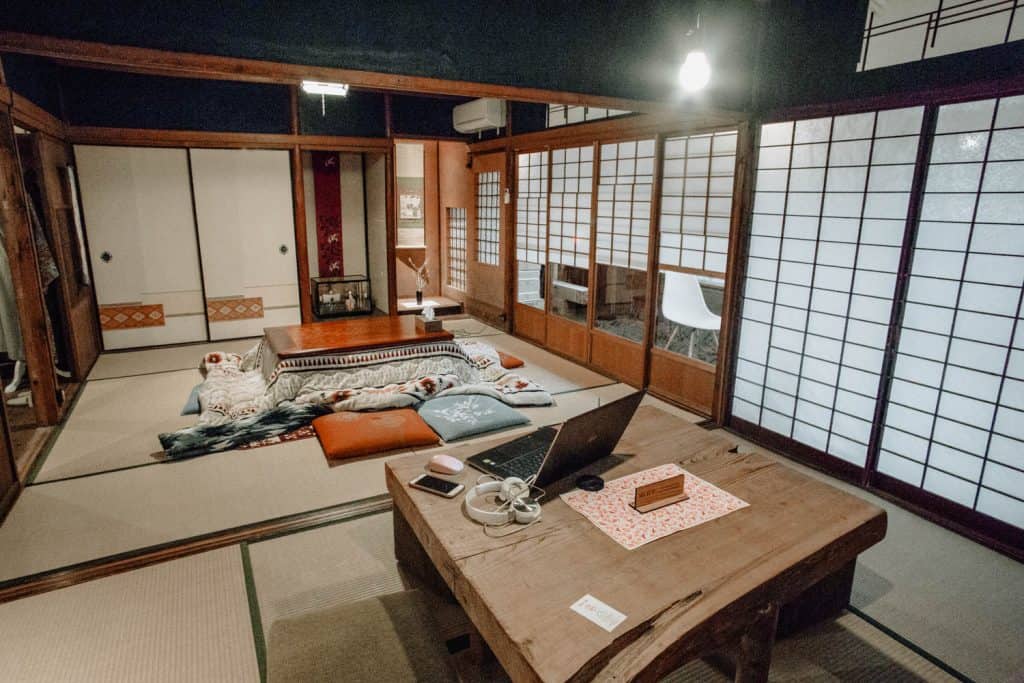
Stay in a multi-purpose room with sliding doors and have an amazing night’s sleep on a floor mattress (way more comfy than it sounds, I promise!).
Then, wake up to a view of the famous active volcano.
Staying in a ryokan can be a little pricey but it was definitely one of my highlights from my Japan trip. For me, it’s an absolute must if you only have one week in Japan.
At Mount Fuji, you can also experience a traditional Japanese onsen (hot spring). These natural baths are swimsuit-free zones open to the public and are still very common all over Japan.
Fuji Onsenji Yumedono offers the full ryokan experience complete with outdoor hot springs, traditional rooms and Japanese breakfast.
Or, check in to Koko Terrace for a unique glamping experience with unbeatable views.
Alternatively, you can visit Mount Fuji on a day trip and spend one more night in Tokyo. If so, just head straight to Kyoto tomorrow morning!
Day 4: Transfer to Kyoto
After enjoying a relaxing onsen and a restful night, wake up bright and early to watch the sunrise on Mount Fuji.
It’s possible to do a sunrise hike but, unless that’s top of your bucket list, I’d catch up on some sleep and watch the sunrise from the ground instead because it’s a VERY early start.
Just make sure you pack a camera so you can capture some beautiful photos, too!
After breakfast, it’s time to use the Japan Rail pass again. This time, take the Shinkansen Kodama bullet train from Shin-Fuji(Shizuoka) to Kyoto.
When you arrive, check-in at a hotel in the Nijo area of town and drop off your bags. The Oumi Guest House combines traditional Japanese living with a warm family welcome for a comfortable and centrally located stay.
If you prefer something more luxurious – or more budget-friendly – there are plenty of other options around this area.
Kyoto is a fairly large city but a lot of the best bits are within walking distance of the centre. From Nijo, it will be easy to explore.
Some of the best things to see in Kyoto include Toji temple, Kinkaku-ji temple, Maruyama Park and Nijojocho Park. Tickets for temples can be purchased at the entrance. Just be prepared for a short queue at times.
Spend the day discovering some of Kyoto’s temples and parks, then sample some of the local sushi and ramen houses when it’s time to eat.
When the sun sets, don’t rush back to your hotel too quickly. Once night falls, there’s only one place to head: Gion.
While it’s possible to explore Kyoto’s geisha district independently, you’ll get much more out of your visit – and avoid getting lost! – with an official tour guide.
This walking tour offers the perfect introduction to Gion and its traditional buildings, or, for the full foodie experience, this tour includes some stops along the way to sample local street food.
There are lots of unique things to do in Kyoto at night, and you’ll see a totally different – yet equally authentic – side of this city once the sun goes down.
Day 5: Visiting the famous Fushimi Inari Shrine
If there’s one photo you’ve seen of Kyoto, it’s almost definitely the Fushimi Inari Shrine.
This shrine of orange torii gates stretches 4km across Kyoto’s mountainside and has become a popular Instagram spot for tourists.
Despite its popularity on social media, however, it’s not as crowded – or hard to get your own shot – as you might think. And that’s mostly due to the sheer size of it.
Walking directly to the peak of the mountain will take you two hours. You might want to double that, though, to factor in some extra time for photo opportunities and stops. There are a lot of them!
You’ll probably want to spend some time taking in the views of Kyoto along the way, too.
I could have spent all day here – and next time I go back to Japan, I plan to. Even if you only have a week in Japan, I recommend doing the same.
There’s no need to hire a guide to fully appreciate the Fushimi Inari Shrine, but an audio tour will definitely help you appreciate everything you are seeing much more.
Or, if you want to get off the beaten path (literally), it’s possible to visit on a hiking adventure that takes you where most tourists don’t get to go!

Day 6: Get up early for Arashiyama bamboo forest
The other classic Instagram shot from Kyoto is the Arashiyama bamboo forest.
Unlike the Fushimi Inari Shrine, which was much larger than we had anticipated, the bamboo forest is tiny.
Seriously – it’s nothing more than a single path surrounded by towering bamboo. That said, it’s still more than impressive enough to warrant a visit.
And an early visit, at that. If you really want to make the most of a visit to the Arashiyama bamboo forest, get there as early as possible to avoid the crowds. It’s open 24 hours, after all.
I’d recommend hopping on the first train out of Kyoto and getting to the forest as close to sunrise as possible.
Not only will you have more chance of having it to yourself (yes, it is possible!) but you’ll be able to get some amazing photos.
After getting up early for the bamboo forest, you’ll have plenty of time left to explore for the rest of the day.
Other things to do in Kyoto:
Depending on how late you visit the bamboo forest, you should have almost a full day left to explore Kyoto.
Here are some great ways to spend that time in order to see the best parts of the city:
- Immerse yourself in local culinary culture with an izakaya cooking class
- If you’re visiting Japan in March or April, save some time to observe the cherry blossoms!
- Take a trip in the cable car to see the city from above
- Take a half-day trip to Nara and let the bowing deer who live there make you smile
- Learn about the history of the bullet train at the Railway Museum
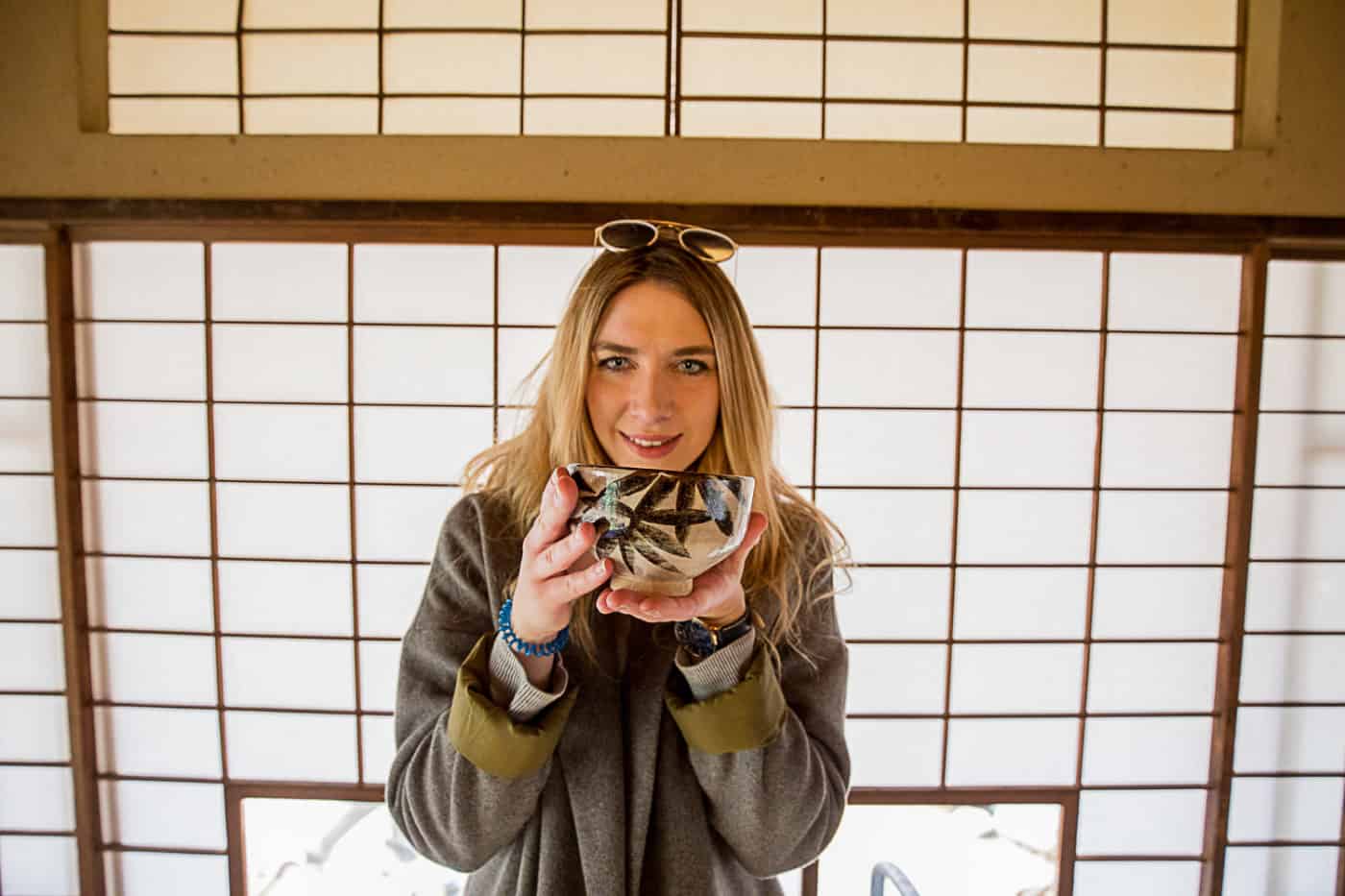
- Take part in a traditional tea ceremony in kimono
Afternoon: Himeji and Osaka
After a couple of days based in Kyoto, pack your bags, check out of your Kyoto hotel and hop back on the JR train.
This time you’ll want to take the Tokaido/Sanyo Shinkansen to Himeji, a journey which takes just under two hours.
When you arrive at Himeji station, leave your suitcases in one of the lockers at the station and head directly out.
You won’t be able to miss the castle in the distance and you’ll be at its gates after a 15-20 walk. Allow around two hours to explore the UNESCO World Heritage Site of the Himeji castle grounds and, if you’re feeling active, climbing to the top.
Before you jump back on the bullet train, stop for some bullet train sushi at a restaurant called Rikimaru.
You’ll find it tucked away just outside Himeji station. Here, the sushi is delivered on a real train – a Shinkansen train! Prices are very reasonable, too.
After enjoying the bullet train sushi, it’s time to ride the bullet train yourself. Shin-Osaka station is just a 30-minute ride from Himeji – and that’s our stop for tonight.
Check into a hotel near to the station. I enjoyed staying at the Karaksa Hotel Grande, which is just 0.3 miles away and makes an ideal base for exploring Osaka.
Check out my full guide to where to stay in Osaka if you would like a little help making your decision.
If you arrive in time, Osaka is a great city to explore on an evening tour. This food-focused tour will show you the authentic city and give you a great taste of the city (both literally and metaphorically!) in one evening.
End the night with a trip to the Umeda Sky Building, where you can take the sky escalator. Here, you will enjoy an amazing panoramic view of Osaka’s bustling streets and lights from 173m above.
Buy your ticket online to save time and avoid long queues.

Day 7: Explore Osaka or head back to Tokyo
Depending on when – and where! – your flight departs, spend some time exploring Osaka or head back to Tokyo in time for take-off.
If you’re heading back to Tokyo, the Nozomi train takes just 2 hours and 30 minutes from Shin-Osaka to Tokyo. There are also regular bullet trains between the two cities, but it’s best to book in advance to be safe.
If you have a whole day left to explore Osaka, why not try one of these easy day trips out of the city?
Or, if you’d rather take it easy, here are some of the best things to do in Osaka:
- Learn to cook your favourite Japanese dishes with a local mother
- Prefer eating? You’ll do plenty of that on this 2-hour market tour with food tastings
- If you didn’t get a chance to experience a tea ceremony in Kyoto, you can take part in one in Osaka
- Visit the unique teamLab Botanical Garden, which turns into an art gallery after dark
- Explore the city in an efficient and eco-friendly way with a bicycle tour
6- and 7- day Japan tours
The 7-day Japan itinerary above is fairly easy to plan by yourself.
However, if you prefer to have someone take care of everything and just show up, it’s also possible to follow a similar route on an organised tour.
I have only travelled independenty in Japan, but these are the tours that I would book if I were to do the trip on an organised tour:
Essential Japan (7 days)
This tour is the closest – that I can find! – to the itinerary I created above.
Starting in Tokyo and ending in Osaka, this Japan group tour includes all transport, accommodation and some meals. It’s an easy way to see some of the above sights without having to think or plan yourself.
The downside is that you won’t get to ride the shinkansen. If you have more time, though, that could be the perfect excuse to tag a trip to Hokkaido onto the end!
Tokyo Nights & Kyoto Temples (6 days)
As the name suggests, this G Adventures tour focuses mostly on Japan’s current and former capital cities.
Since you’ll have a little longer in each, you’re sure to get a bigger dose of culture from each.
This short tour bypasses Mount Fuji, but will take you to a lesser-visited town in the Japanese Alps, Takayama.
Plus, if you have 7 days in Japan, this tour will allow at least one extra day for a day trip to Osaka, Nagano or somewhere else.
South Japan Express (6 days)
If seeing as much as possible is your priority, this 6-day tour squeezes in as much as is physically possible.
Once again, you won’t make it to Fuji, but you will make it to many other places including Hiroshima.
Expect to spend more time travelling on this tour, but rest assured you’re going to see a LOT of southern Japan.
Tips for spending one week in Japan
If you only have 7 days in Japan, you’ll want to make the most of them.
Here are some final tips to help you arrive prepared so you can enjoy your week in Japan to the full.
If this will be your first time visiting Japan, make sure you check out my post packed with 37 tips for your first trip to Japan for even more tips.
While in Tokyo, stay in Shinjuku or Shibuya
These are two of the best areas in Tokyo for tourists, with lots of restaurants, shops and things to see.
They’re also both centrally located with easy access to the JR train lines.
They’re also near the Narita Express train that runs between the airport and downtown Tokyo.

Buy a 7-day JR rail pass
I know it might seem pricey, but I promise it will be worth it. Unless you want to spend the whole week in Tokyo, it will makes any day trips or travel to Kyoto, Osaka and beyond much cheaper.
Buy your Japan Rail pass before you go to save even more money (and lots of time!).
Pack layers
The weather in Japan can vary just as much as it does in the UK. Locals tend to dress in layers and it’s wise to do the same.
Pack a mix of loose-fitting but tailored trousers, smart jeans and tops/jumpers than you can layer. And don’t forget a waterproof jacket and a scarf!
Carry an umbrella
It rained for about 4 of our 9 days while we were in Tokyo. Pack an umbrella if you can.
Most locals will carry a dome-shaped clear umbrella and you can pick up one of these from any convenience store if you prefer not to pack one.
Stay near stations to save time
When you only have 7 days in Japan, you don’t want to waste time travelling.
Japan’s cities are well-connected but large, and it can take a long time to travel between areas.
Staying somewhere central or near to a JR line station will help a lot, even if it does cost a little bit more.
Japan Travel Planning
Even though I found Japan surprisingly easy to travel, it still pays to be prepared.
In fact, it’s one country where you’ll really save yourself some time and money (not to mention stress!) by having as much prepped in advance as possible.
Here is a checklist of things to have prepared before you go:
Shinkansen Tickets
The Japan Rail Pass is a no-brainer for anybody who wants to see more than one part of Japan.
Booking in advance is super simple – much simpler than buying in Japan – AND comes with free 24-48 hour delivery.
I booked through JRailPass.com and can’t recommend them more for their price, efficiency and customer service.
Travel Insurance
The good news: things generally run smoothly in Japan and, when they don’t, the healthcare is some of the best in the world.
The bad news: when things don’t go to plan, it can be very expensive.
That’s why travel insurance is a must in Japan.
Since moving to Portugal, I use and recommend True Traveller because they cover a wide range of activities and circumstances.
If you’re resident outside of Europe, EKTA travel insurance offers affordable, transparent and extensive coverage all over the world.
WiFi/Sim Card
Getting a sim card in Japan is tricky (and expensive!). Unfortunately, I waited until I was there and learned the hard way, so I highly recommend arranging your WiFi situation before you go.
The best way to stay connected while travelling Japan is with an eSim that you can use right away or this local sim with unlimited data that you can pick up on arrival.
Save on flights to Japan
Did you know that you can save up to 10% on flights with a cashback service?
With WayAway Plus, you can find the cheapest flights, transfers and other travel services and receive part of your purchase back in cash. It goes straight to your Paypal account!
I use WayAway to book all my flights so that I can save extra and have secured an exclusive discount for Alajode readers to do the same.
Use this link and the code ‘ALAJODE’ to save a massive 55% on your yearly membership plan and start saving. That mean you’ll get up to 10% off all travel services for less than $4 per month. In just one trip to Japan, that could save you hundreds of dollars!
VPN
Not only does a VPN help protect you and your data while travelling, it can also help you access geo-locked content.
That’s something that comes in really handy in a place like Japan, especially if you don’t speak the local language!
NordVPN is the one I use and trust, and currently has this great deal available.
Airport Transfers
If you’ll be arriving late or staying somewhere fairly remote, consider booking an airport transfer on arrival.
This will take a whole lot of stress out of an already confusing situation when you land in Japan, especially after a long flight.
I’ve found this website has the best prices and the widest availability (sometimes in places where there aren’t even taxis!).
What about the money ???
Day 4, which station from Mt Fuji (assuming lake kawaguchi) to Kyoto?
Hi Khari, sorry I missed that out! You should take the Shinkansen Kodama bullet train from Shin-Fuji(Shizuoka) to Kyoto.
very nice place and recommended to visit
Hi! This is great! I am planning a solo trip to visit Japan for the first time this coming November. What would you recommend to add if I had 10 days for my visit? Thank you!